Pakistan’s Defence Minister Warns of Escalation Amid Failed Peace Talks with Afghanistan
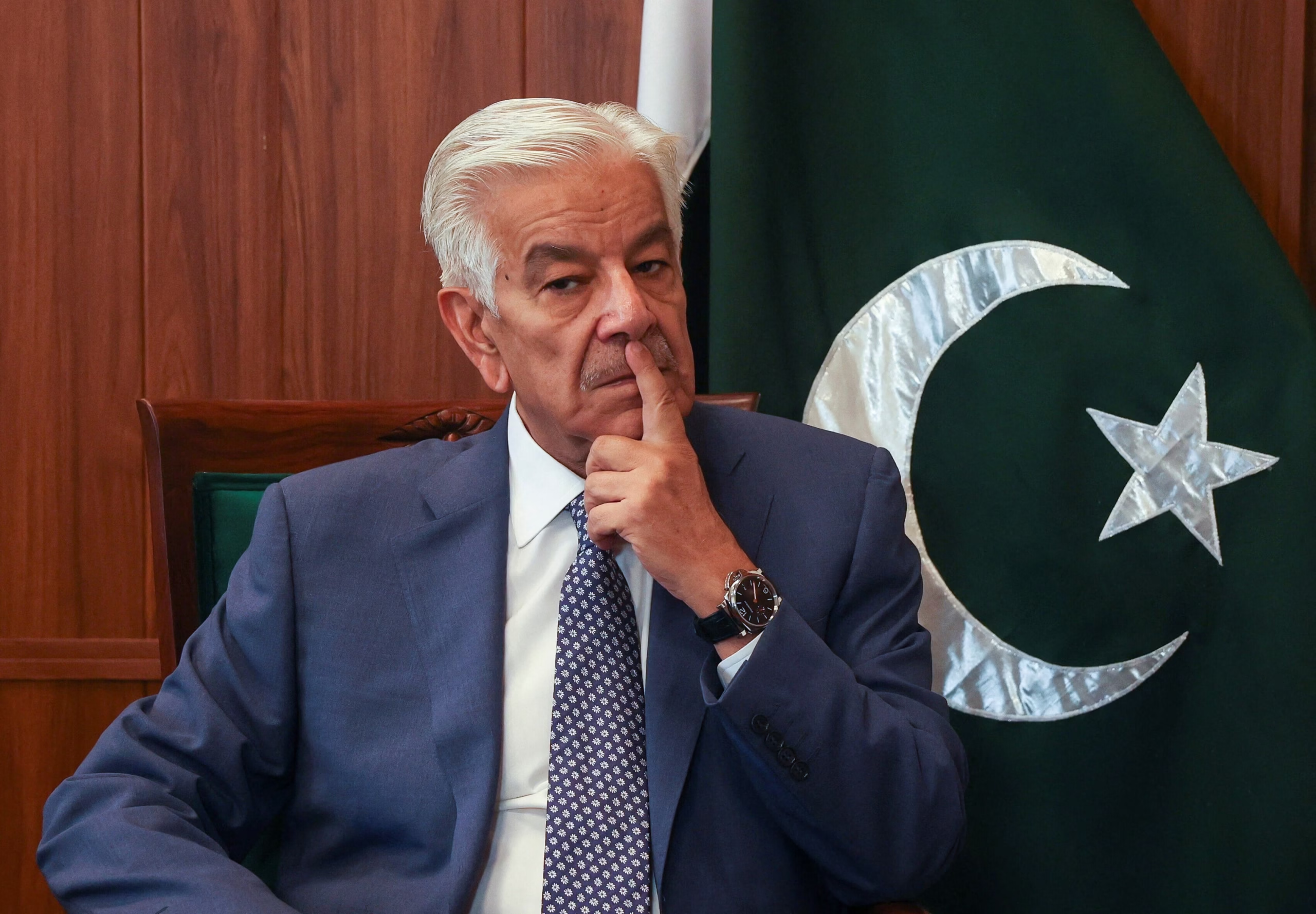
Pakistan’s Defence Minister Khawaja Asif has issued a stern warning to Afghanistan following the collapse of recent peace negotiations, pledging a response “50 times stronger” in case of any aggression against Islamabad. His remarks come amid mounting tensions and accusations that Afghanistan’s leadership is under the influence of India, complicating efforts for peace in the region.Breakdown of Peace Negotiations.
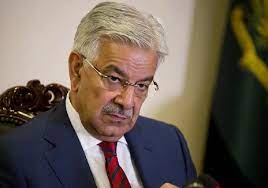
The peace talks, mediated by Turkey and Qatar in Istanbul, ended without a resolution after Taliban negotiators repeatedly backtracked on agreements during discussions.
Asif accused Kabul’s leadership of interference through India, stating that whenever negotiators reached a deal, Kabul’s instructions withdrew the agreement, sabotaging progress. According to Asif, Kabul’s authorities are acting as proxies for India, staging a “puppet show” that undermines regional stability.Allegations of Indian Influence Khawaja Asif highlighted that India uses Afghanistan to compensate for setbacks along its western border with Pakistan, accusing Kabul of supporting a proxy war against Pakistan.
He emphasized that Afghan leadership has ties with India, including visits to Indian religious sites by some members of the Taliban regime.
This influence, Pakistan’s Defence Minister he claims, drives a low-intensity conflict strategy aimed at destabilizing Pakistan.Threats of Military Retaliation Responding to threats from Afghanistan, Asif’s warning was unequivocal: “If Afghanistan even looks at Islamabad, we will gouge their eyes out.” He accused Kabul of harboring terrorists who have launched attacks on Pakistan for the last four years.
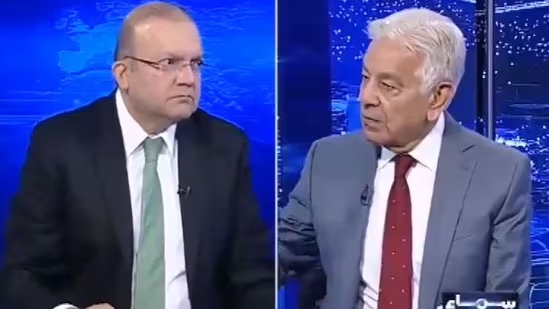
The Defence Minister’s threat of a much stronger retaliatory response underscores the fragility of peace and the risk of escalation into full-scale conflict.Regional Implications and Future OutlookThe failure to reach an agreement has strained Pakistan-Afghanistan relations and stalled efforts to curb cross-border terrorism, particularly concerning the Tehreek-i-Taliban Pakistan (TTP), which Islamabad demands must be addressed by Kabul.
Despite the breakdown, mediators consider dialogue essential, though the current mistrust casts a shadow over future peace prospects.This situation highlights the persistent security challenges in South Asia, with complex geopolitical dynamics involving Pakistan, Afghanistan, and India. The coming weeks will be critical in determining whether diplomacy can avert a further escalation of hostilities or whether tensions will give way to renewed conflict