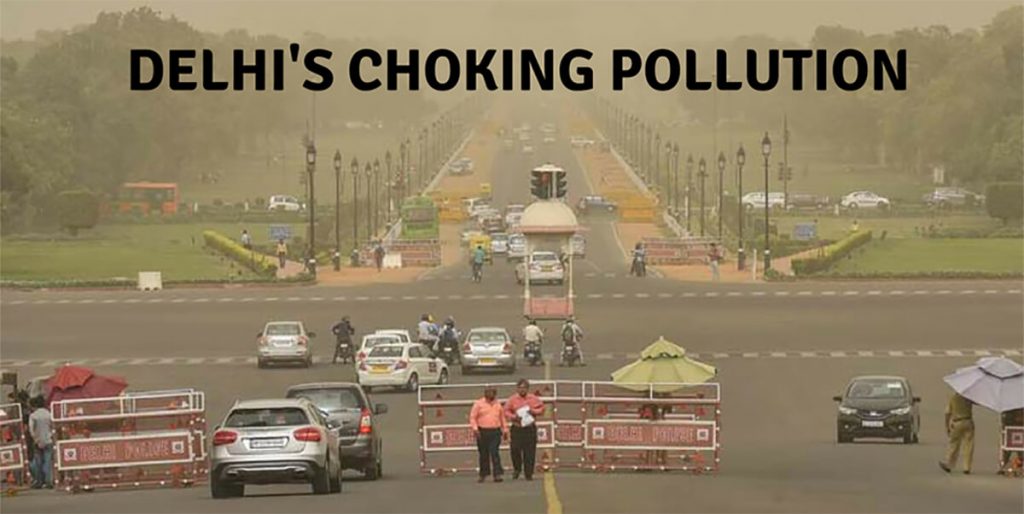
The Capital Struggles to Breathe
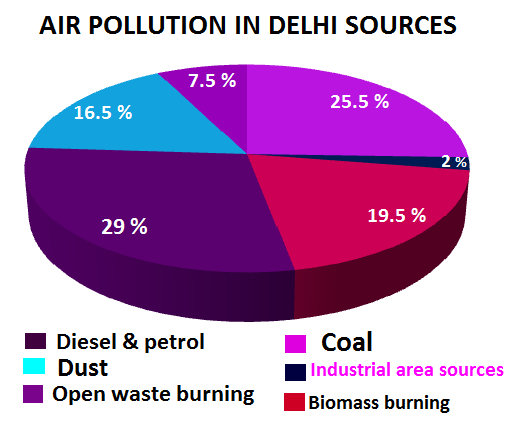
Air pollution in Delhi Every year, as winter descends on Delhi, the capital transforms into a gas chamber. The thick smog that blankets the city isn’t just a visual reminder of pollution — it’s a toxic cocktail of particulate matter, vehicle emissions, industrial waste, and crop-burning smoke. According to recent air quality data, Delhi’s AQI (Air Quality Index) regularly crosses 450–500, placing it in the “Severe” category. At these levels, the air becomes unsafe even for healthy individuals, and prolonged exposure can cause lasting harm to nearly every organ in the human body.
Lungs Are the First to Suffer
The most immediate and visible impact of Air pollution in Delhi on the lungs. Doctors have reported a sharp rise in cases of bronchitis, asthma, and chronic obstructive pulmonary disease (COPD) during the winter months. Even people with no previous respiratory issues experience shortness of breath, coughing, and throat irritation. Children and the elderly are particularly vulnerable. Long-term exposure to high pollution levels can lead to reduced lung capacity, permanent scarring of the airways, and an increased risk of lung cancer
Eyes, Skin, and Heart Under Attack
Air pollution in Delhi doesn’t stop at the lungs it attacks the eyes, skin, and cardiovascular system too. The fine particulate matter (PM2.5) is small enough to penetrate the bloodstream, causing inflammation and oxidative stress. This can lead to eye irritation, redness, and even long-term vision problems. The skin also suffers as toxic particles clog pores, causing rashes, premature aging, and dullness.
More alarmingly, medical research links Air pollution in Delhi to heart disease, hypertension, and stroke. The toxins in the air thicken the blood and damage blood vessels, leading to a higher risk of cardiac arrest. Studies suggest that Delhi’s pollution may be reducing the average lifespan of its residents by up to 10 years.
Brain and Mental Health Also Affected
Few people realize that the brain, too, is affected by Air pollution in Delhi. Emerging research shows that long-term exposure to air pollution can impair memory, concentration, and cognitive development. In children, it hampers learning ability, while in adults, it raises the risk of Alzheimer’s and dementia. The stress of living in a polluted environment also contributes to anxiety, sleep disorders, and depression creating a silent mental health crisis in the city.
What Can Be Done
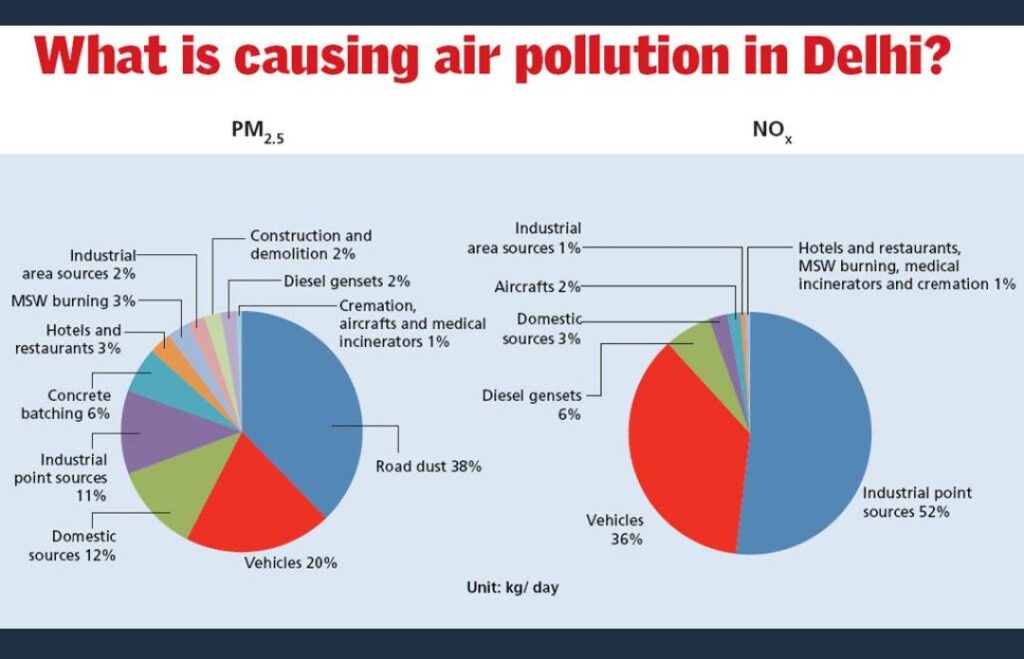
While large-scale change requires government intervention stricter emission norms, cleaner fuels, and better waste management individuals can take steps to protect themselves. Using N95 masks, installing air purifiers at home, avoiding outdoor exercise during peak smog hours, and increasing indoor plants can help reduce exposure. On a community level, reducing car use, avoiding firecrackers, and supporting green initiatives can make a real difference.
Time to Act Before It’s Too Late
Delhi’s toxic air is not just an environmental issue it’s a public health emergency. The city’s residents are inhaling a slow poison that affects every system of the body. Air pollution in Delhi Immediate collective action, strict policy enforcement, and public awareness are the only ways to reclaim Delhi’s right to breathe clean air. The clock is ticking and so is our health.