


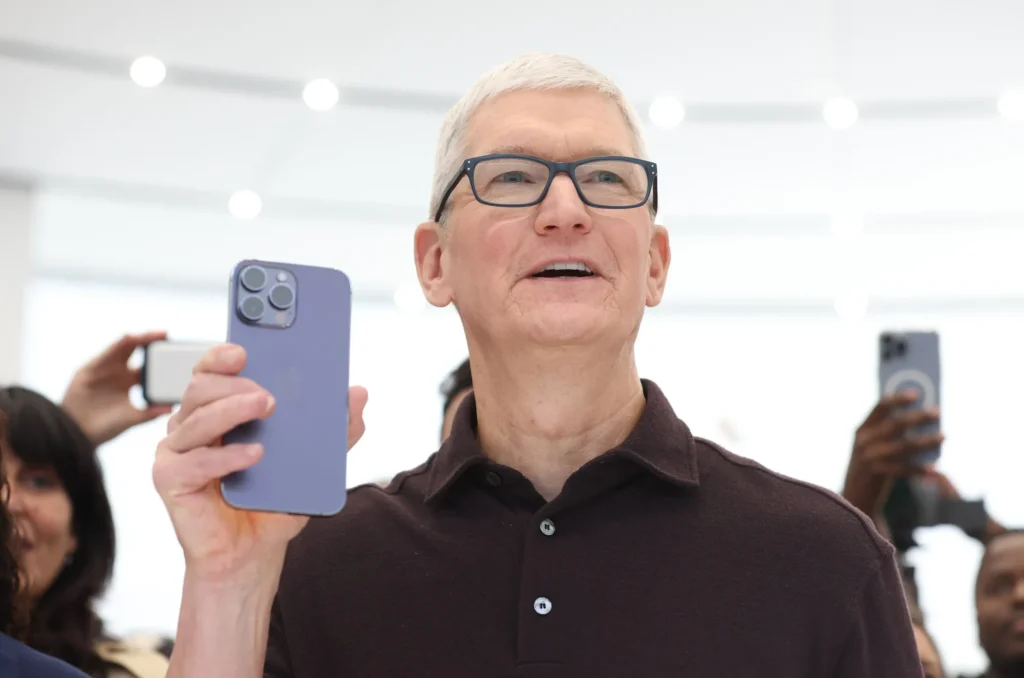
Tim Cook’s mantra, “We aim to be the best, not the first,” perfectly captures his approach. Instead of chasing hype, he focused on perfecting products and maintaining ecosystem excellence a strategy that’s kept Apple profitable and admired worldwide.
A Challenging Year for Apple and Its Leadership
The year 2025 turned out to be a true test of Tim Cook’s leadership and Apple’s resilience. The world’s most valuable tech company faced mounting pressure on several fronts — from potential U.S.-China trade tariffs to regulatory threats over its multi-billion-dollar deal with Google. Critics also argued that Apple was lagging behind in artificial intelligence (AI) innovation while rivals surged ahead. Yet through a blend of strategy, composure, and precise decision-making, Tim Cook managed to steer Apple away from disaster and restore investor confidence.

Dodging the Tariff and Supply Chain Crisis
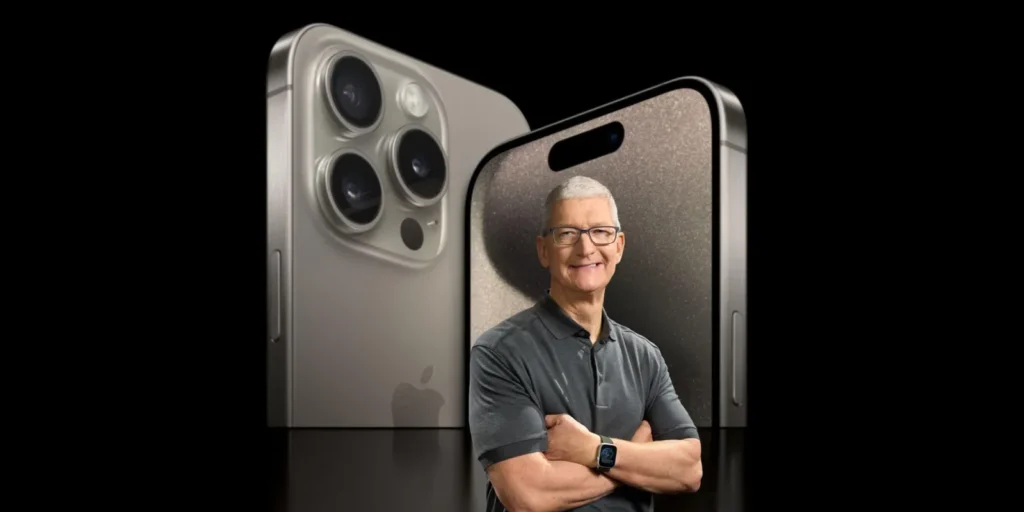
Apple’s biggest operational risk this year came from renewed U.S.–China trade tensions. The fear of higher tariffs on products made in China could have directly impacted the company’s profitability, given its deep reliance on Chinese manufacturing.
To counter this, Tim Cook executed a strategic shift in Apple’s global supply chain. The company expanded iPhone assembly and component production in India and Vietnam, a move that reduced overdependence on China while strengthening ties with other key markets.
Simultaneously, Apple announced large-scale investments in U.S. manufacturing and research, signaling its long-term commitment to domestic growth. These initiatives helped Apple secure political goodwill and avoid becoming a casualty of trade policies.
Protecting Apple’s Billion-Dollar Deal With Google
In 2025, the U.S. Department of Justice targeted the Apple-Google search engine deal, a contract worth nearly $20 billion per year. The risk of losing this revenue source could have severely damaged Apple’s services segment.
Tim Cook and his senior executives defended the partnership vigorously, arguing that the deal benefits users by providing consistency and quality across Apple devices. Apple also prepared contingency plans, exploring its own search capabilities to show adaptability. In the end, regulators refrained from terminating the deal a major win that preserved one of Apple’s most lucrative income streams.
This strategic defense demonstrated Cook’s mastery in risk management quietly solving complex problems without public drama.

Balancing Innovation and Reliability
While Apple didn’t unveil a revolutionary product in 2025, Cook maintained the company’s reputation for quality and reliability. The iPhone 17 lineup delivered strong upgrades in performance, battery, and AI-enabled photography, keeping Apple competitive. Meanwhile, Apple’s services business including Apple Music, iCloud, and the App Store continued to drive recurring revenue, showing how Cook’s long-term vision is paying off.
Financial Strength and Market Recovery
Despite the turbulence, Apple’s financial discipline became its biggest strength. The company continued its massive $100 billion annual share buyback program, which reinforced investor trust and stabilized its stock value. Apple also projected strong double-digit revenue growth for the holiday quarter, signaling confidence in its future performance.
By mid-2025, Apple’s market capitalization had rebounded from a low of $2.6 trillion to nearly $4 trillion, reaffirming its position as the world’s most valuable company.
Cook’s steady hand proved that innovation isn’t the only measure of success financial strategy and leadership under pressure are equally vital.

Tim Cook’s Legacy: Calm Amid Chaos
The way Tim Cook evaded disaster at Apple in 2025 will be studied in business schools for years. His ability to anticipate risks, defend key partnerships, and diversify supply chains shows why Apple continues to thrive even in uncertain times.
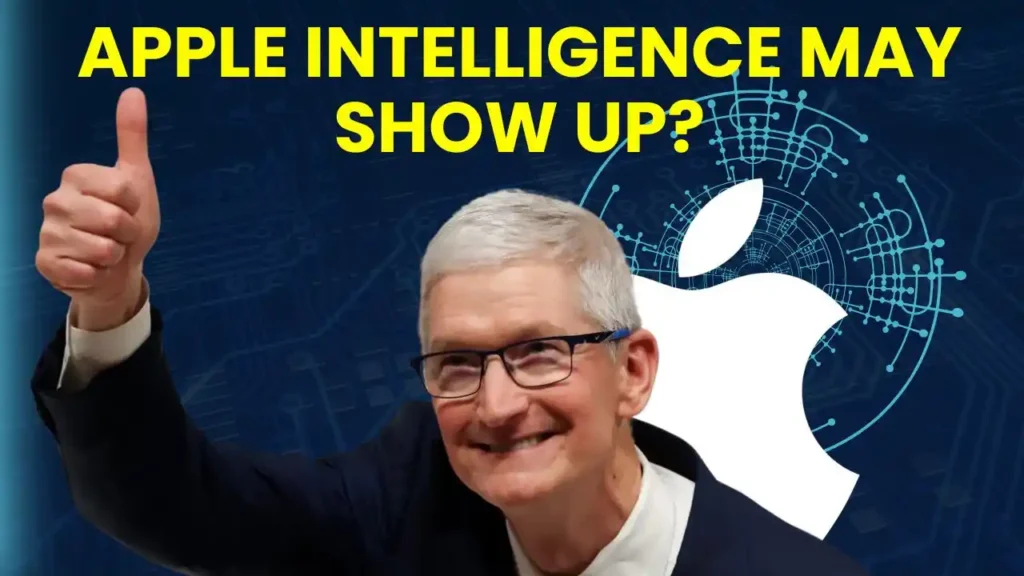
Looking ahead, Apple is gearing up to strengthen its AI strategy, signaling that the company is ready to catch up or even surpass its rivals in the Apple AI future.
For entrepreneurs, leaders, and investors, Cook’s example is clear: in times of chaos, the key isn’t to react impulsively, but to act strategically. And that’s exactly how Tim Cook turned a potential Apple crisis into a masterclass in leadership.