


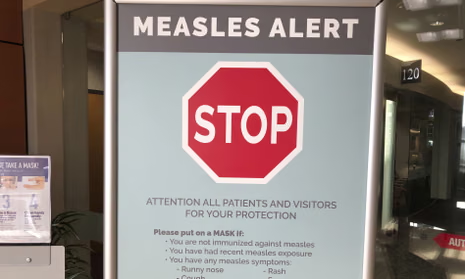
What is Measles
Measles case is a highly contagious viral infection caused by the measles virus (a member of the paramyxovirus family). It mainly affects children but can occur at any age if a person hasn’t been vaccinated or previously infected.

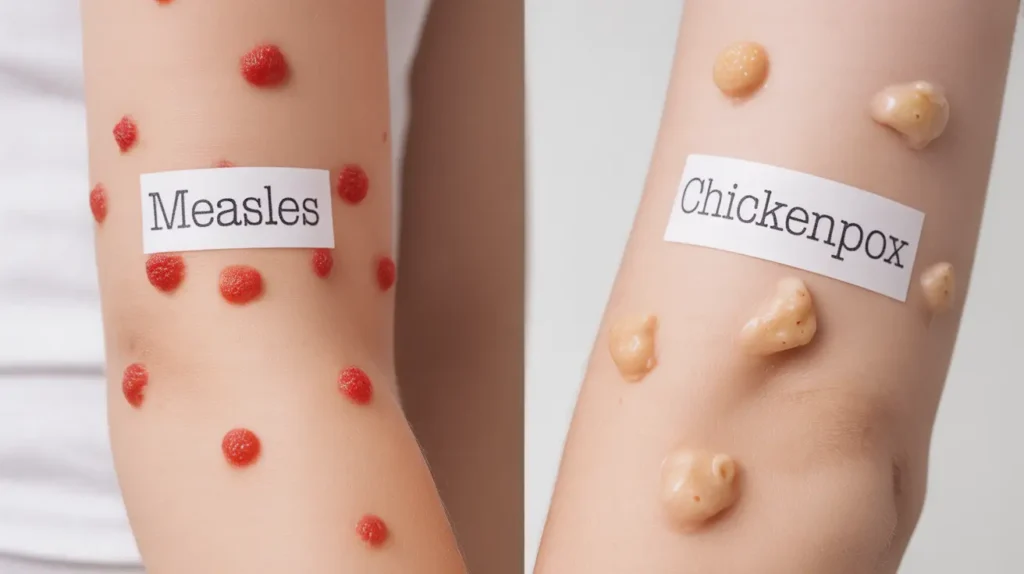
The New Jersey Department of Health (NJDOH)
New Jersey health officials have raised an alert after a traveler infected with measles passed through Terminal B of Newark Liberty International Airport on October 19, between 2:15 p.m. and 5:30 p.m. This incident marks the 11th confirmed case of measles in the state in 2025, signaling a concerning rise compared to previous years. The traveler is not a New Jersey resident, and no additional linked cases have been reported so far.
The New Jersey Department of Health (NJDOH) is urging anyone who was at Terminal B during the specified timeframe to monitor themselves for symptoms. People are advised to contact health authorities before visiting a clinic or hospital to ensure proper infection-control measures are in place. Measles is highly contagious and can linger in the air for up to two hours after an infected person has left the area.
Measles case symptoms usually appear 10–14 days after exposure but can take up to 21 days in some cases. Early signs include high fever, cough, runny nose, red and watery eyes, and small white spots inside the cheeks. A red, blotchy rash typically develops later, spreading from the face downwards. Though preventable through vaccination, measles can lead to severe complications such as pneumonia, brain inflammation (encephalitis), and in rare cases, a fatal condition called SSPE (sub-acute sclerosing panencephalitis).

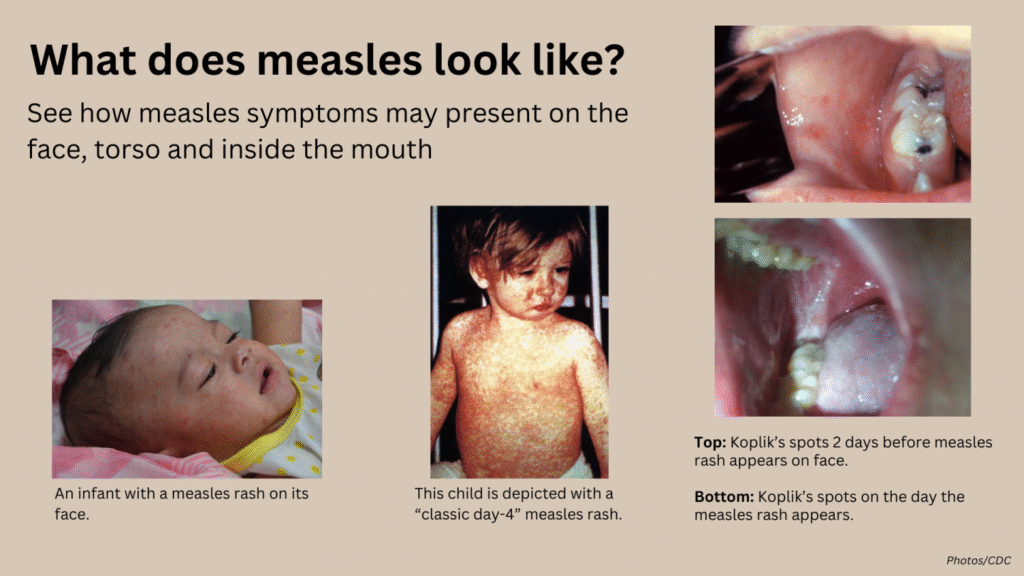
Vaccination remains the most effective way to prevent infection. The two-dose MMR vaccine (measles, mumps, rubella) provides approximately 97% protection, while a single dose offers around 93% protection. The NJDOH advises residents to check their vaccination status, especially those who frequently travel or work in high-contact settings. Individuals who are unvaccinated or partially vaccinated should consult their healthcare provider promptly.
This incident highlights a growing trend of measles outbreaks in the United States. The CDC reports that 2025 has already seen 1,648 confirmed cases in 42 states, the highest in decades. Declines in vaccination coverage and increased international travel contribute to the resurgence of this preventable disease. Communities with vaccination rates below the 95% threshold are particularly vulnerable to outbreaks.
For those potentially exposed at Newark Airport, the NJDOH has posted an exposure table specifying the terminal, date, and timeframe. People are advised to monitor for symptoms until November 9. Immediate reporting of any signs of illness can help prevent further spread.
The Newark Airport measles exposure serves as a reminder that vaccination and vigilance are crucial. Residents and travelers are urged to ensure they are fully vaccinated and to follow NJDOH guidelines to protect themselves and the community. Early awareness, timely vaccination, and prompt reporting remain the most effective defenses against measles outbreaks.

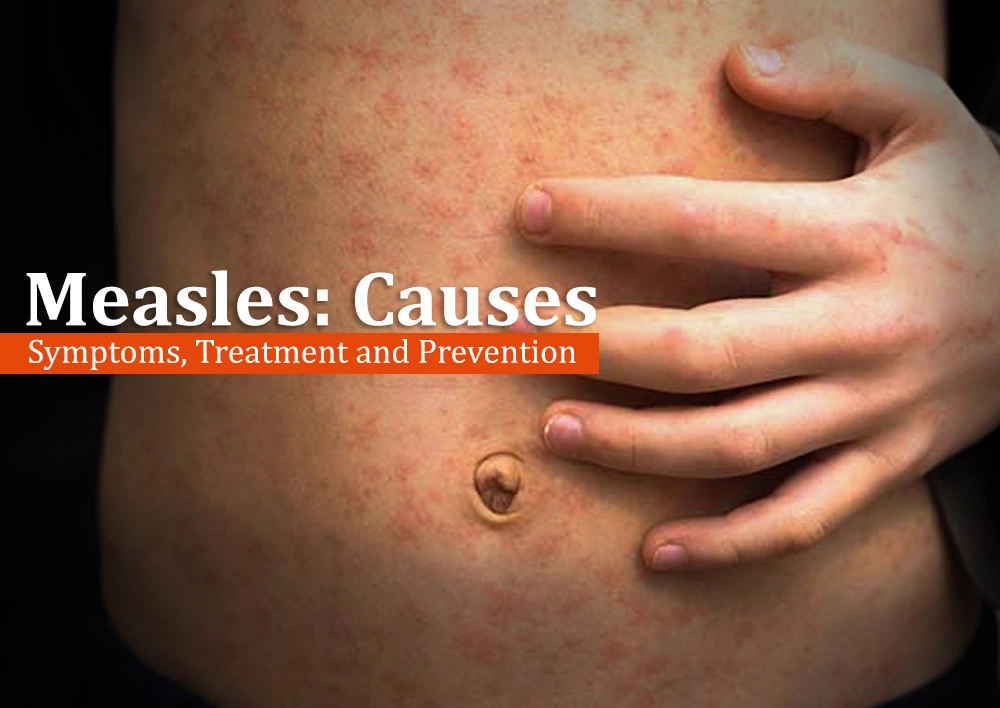
Cause
The measles virus spreads through respiratory droplets when an infected person coughs or sneezes.
The virus can stay active in the air or on surfaces for up to two hours.
Symptoms
Symptoms usually appear 10–14 days after exposure and include:
- High fever (often the first sign)
- Cough, runny nose, and red, watery eyes
- Koplik’s spots tiny white spots inside the mouth (a unique early sign)
- Rash appears a few days later, starting on the face and spreading to the rest of the body
Complications
it can lead to serious health problems, especially in young children and people with weak immune systems:
- Pneumonia
- Ear infections
- Diarrhea
- Encephalitis (swelling of the brain)
- Death in severe cases
Prevention
The MMR vaccine (measles, mumps, and rubella) is the best protection.
Two doses provide over 97% effectiveness against infection.
Treatment
There is no specific antiviral treatment for measles case.
Care focuses on:
- Managing fever and pain
- Hydration
- Vitamin A supplements, which reduce severity and complications